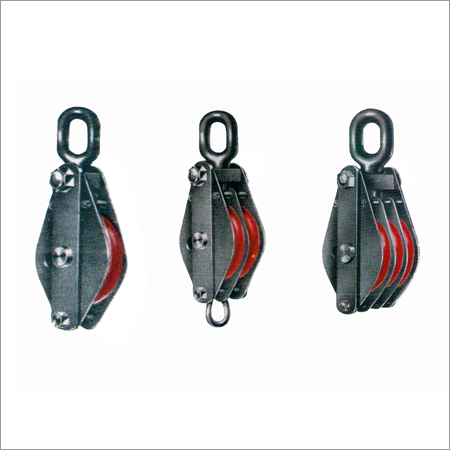
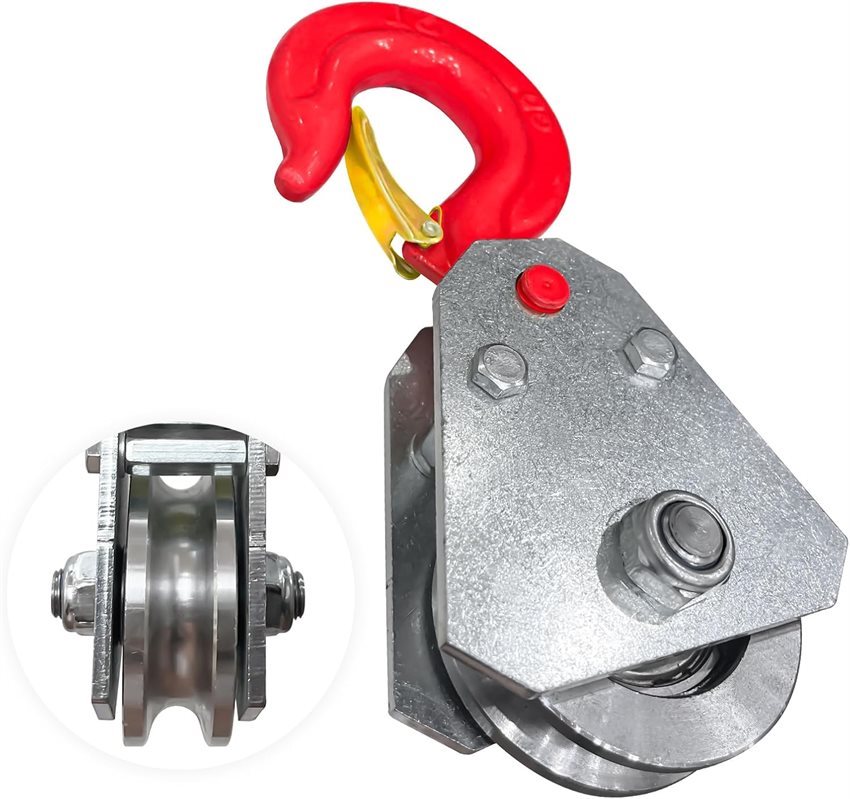
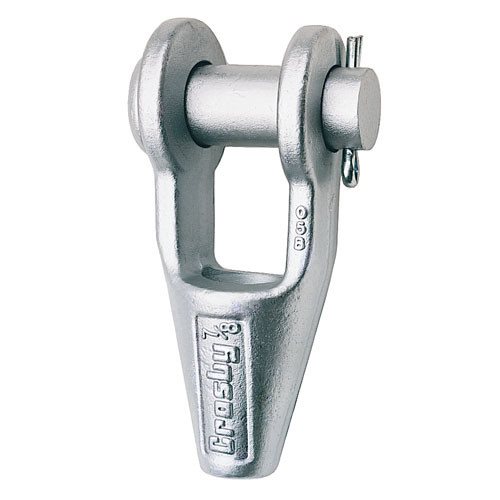
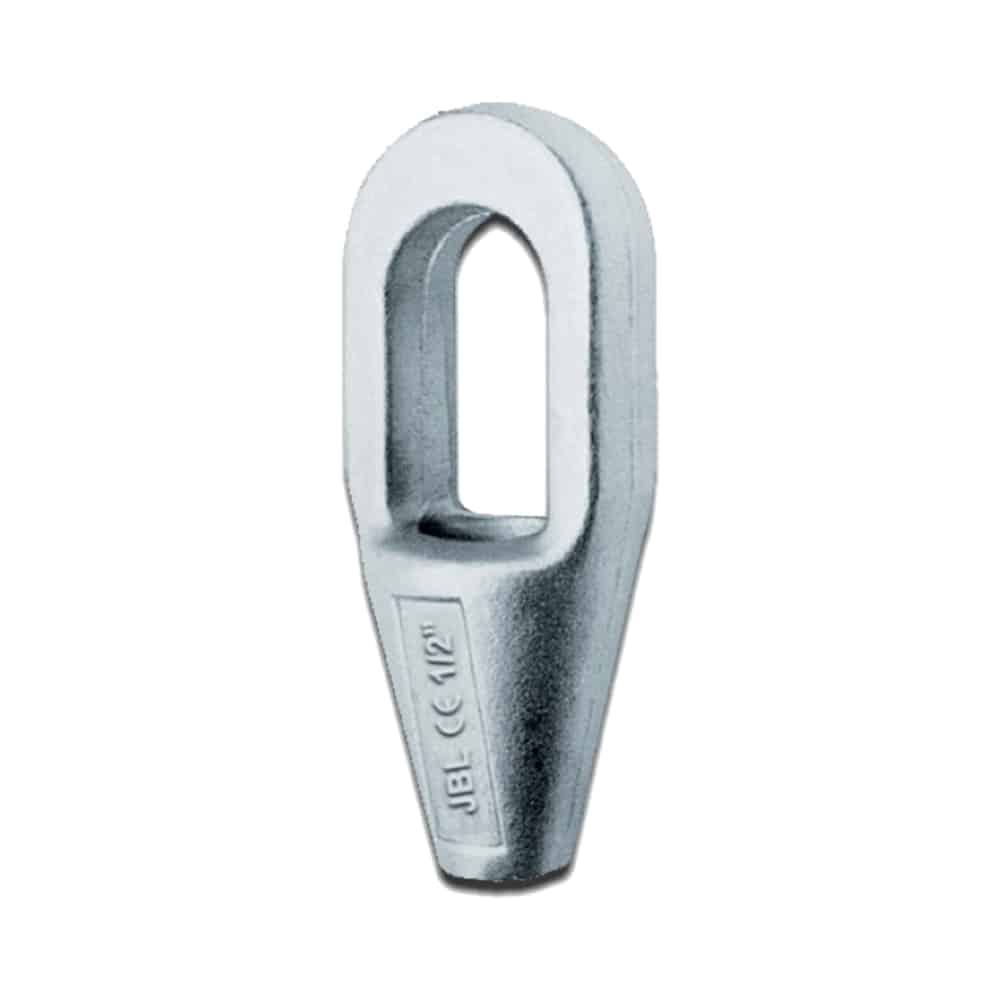
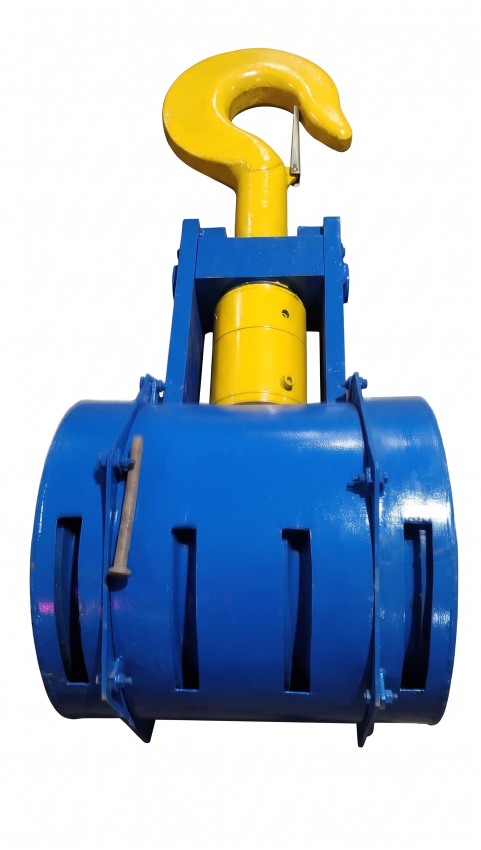
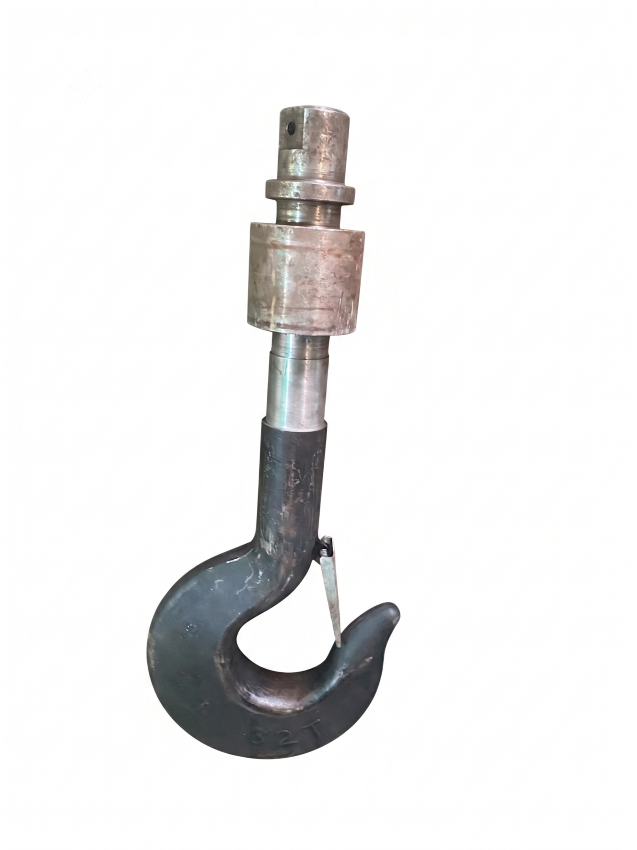
Certified Wire Rope Fittings, Attachments & Rigging Hardware for Safe and Reliable Industrial Lifting Operations
Rigging hardware and wire rope fittings encompass the critical mechanical connecting devices, terminations, and load-securing attachments that link lifting machinery—such as cranes, hoists, derricks, and winches—to the materials and structures being moved. L.R. Engineering Works supplies an extensive, certified portfolio of industrial rigging hardware engineered for dependable load transfer, high fatigue endurance, and uncompromising worksite safety.
In heavy industrial lifting and material handling, slings alone cannot accommodate every lifting requirement. Specialized rigging fittings are essential to create secure terminal eyes, distribute complex static and dynamic loads, prevent sharp bend deformation on wire ropes, and facilitate smooth multi-directional alignment. Every attachment in our lineup is manufactured with precise dimensional tolerances and adheres to rigorous proof-testing standards to ensure maximum operational security across manufacturing plants, construction sites, ports, and heavy engineering facilities.
Forged from high-grade alloy and carbon steels, delivering superior tensile strength and fatigue resistance under severe cyclical loads.
Manufactured and tested to stringent proof-load standards, ensuring high safety factor margins for critical overhead hoisting.
Engineered with precise pin, bowl, and thread dimensions for seamless compatibility with wire ropes, synthetic slings, and crane hooks.
Supplied with hot-dip galvanized, electro-plated, or protective self-colored finishes that withstand moisture, dust, and outdoor marine environments.
How specialized hardware attachments complement wire rope slings, polyester webbing slings, and chain slings.
While each sling category—Steel Wire Rope Slings, Polyester Webbing Slings, and Alloy Chain Slings—offers distinct lifting advantages, in many demanding applications the sling itself cannot connect directly to the load or crane hook without dedicated accessories. L.R. Engineering Works supplies purpose-engineered hardware attachments that complement each sling family, preventing localized stress concentrations, protecting sling materials, and enabling safe multi-point rigging configurations.
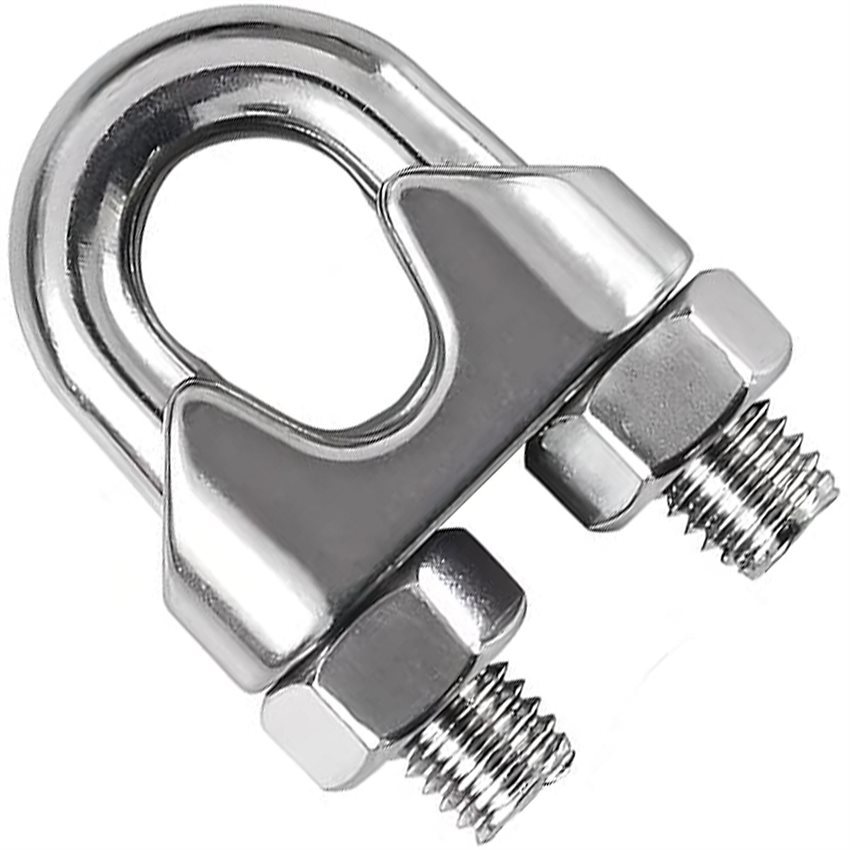
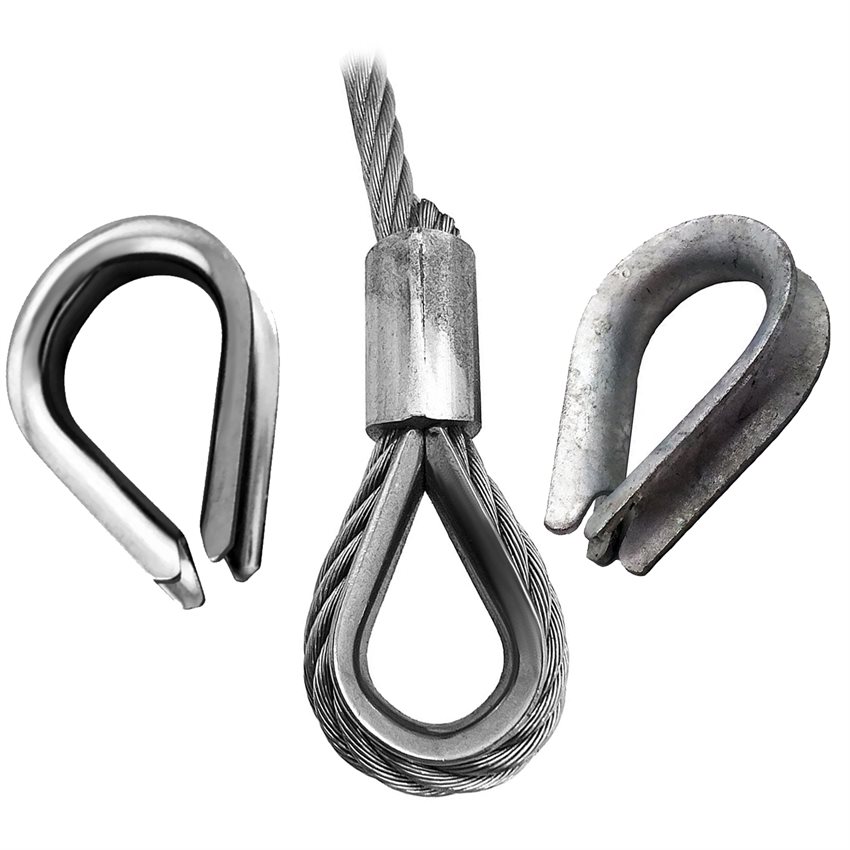
Wire rope fittings protect individual steel wire strands from crushing, acute bending, and friction wear at connection points:
Synthetic webbing and round slings require hardware with wide, smooth contact profiles to prevent fabric bunching and cutting:
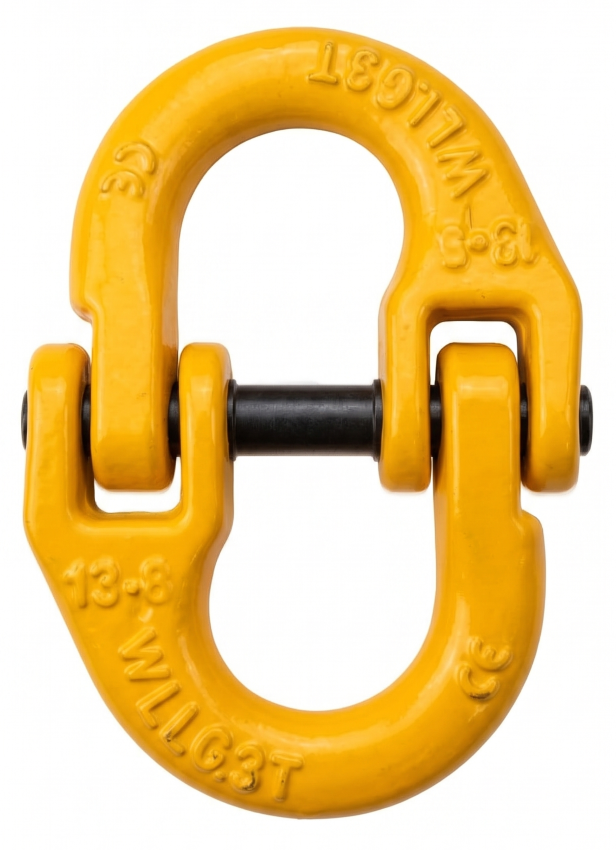
Alloy steel chain assemblies depend on modular mechanical connecting components matched strictly to chain grade (Grade 80 / 100):
Explore our comprehensive range of certified rigging hardware and wire rope fittings manufactured for demanding industrial environments.
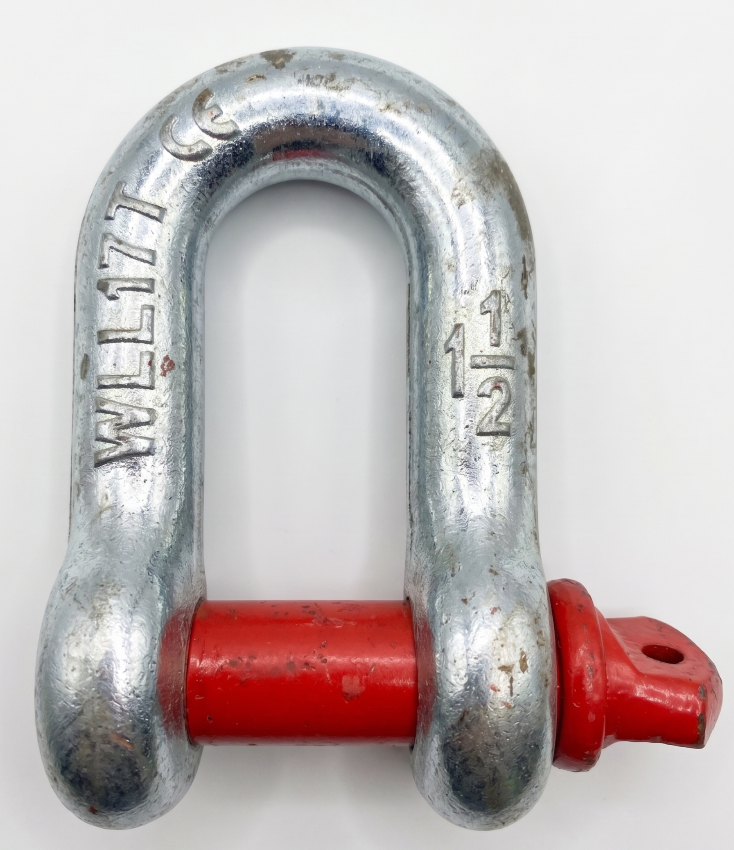
Critical engineering factors to ensure maximum safety, operational longevity, and regulatory compliance.
In any industrial material handling or overhead hoisting operation, a rigging assembly is only as dependable as its weakest connection. Selecting the proper rigging hardware and wire rope fittings is an indispensable engineering decision that directly impacts operational safety, equipment lifecycle, and overall workplace security.
At L.R. Engineering Works, our technical rigging specialists emphasize that every hardware attachment must be meticulously chosen based on several critical operational parameters:
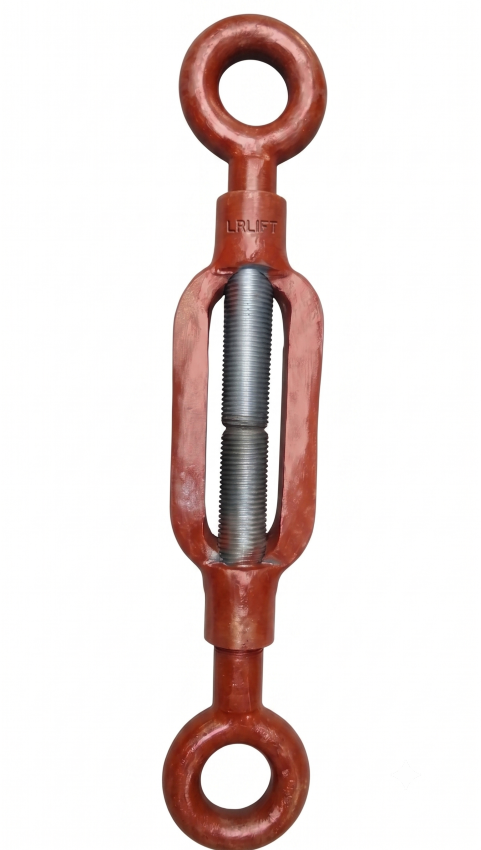
Always verify that the Working Load Limit (WLL) of every shackle, hook, turnbuckle, and link meets or exceeds the calculated static and dynamic load share, including safety factor margins.
Fittings must match the physical characteristics of the sling: thimbles for wire rope bend radius, wide-profile bails for polyester webbing, and grade-matched hammerlocks for alloy chains.
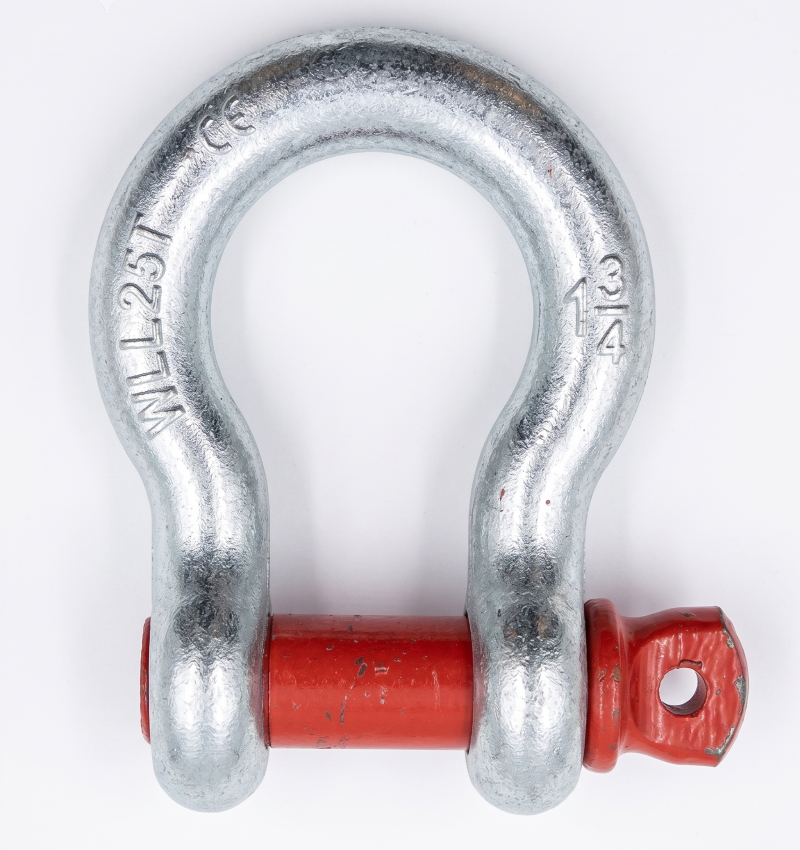
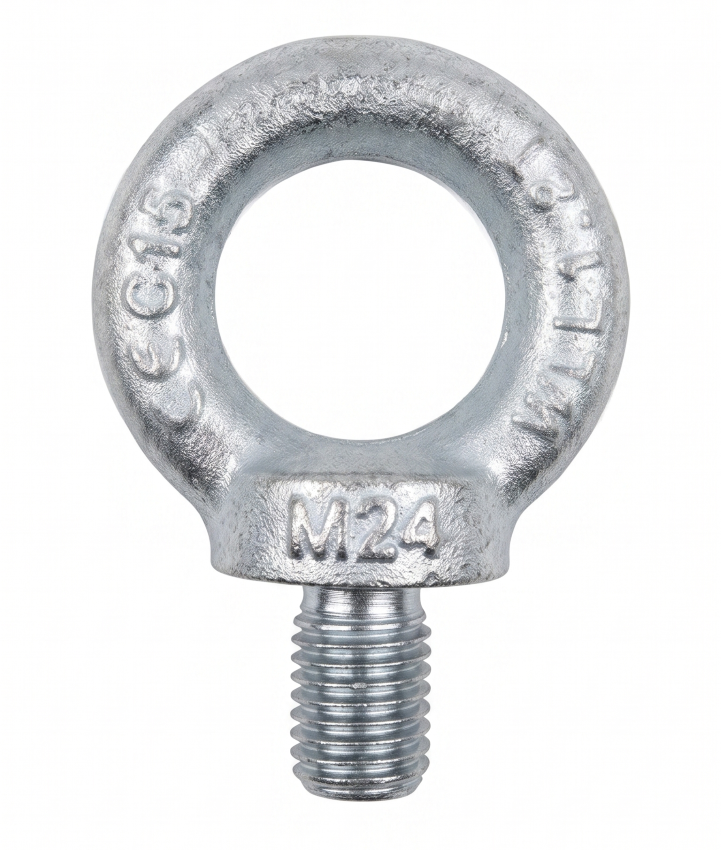
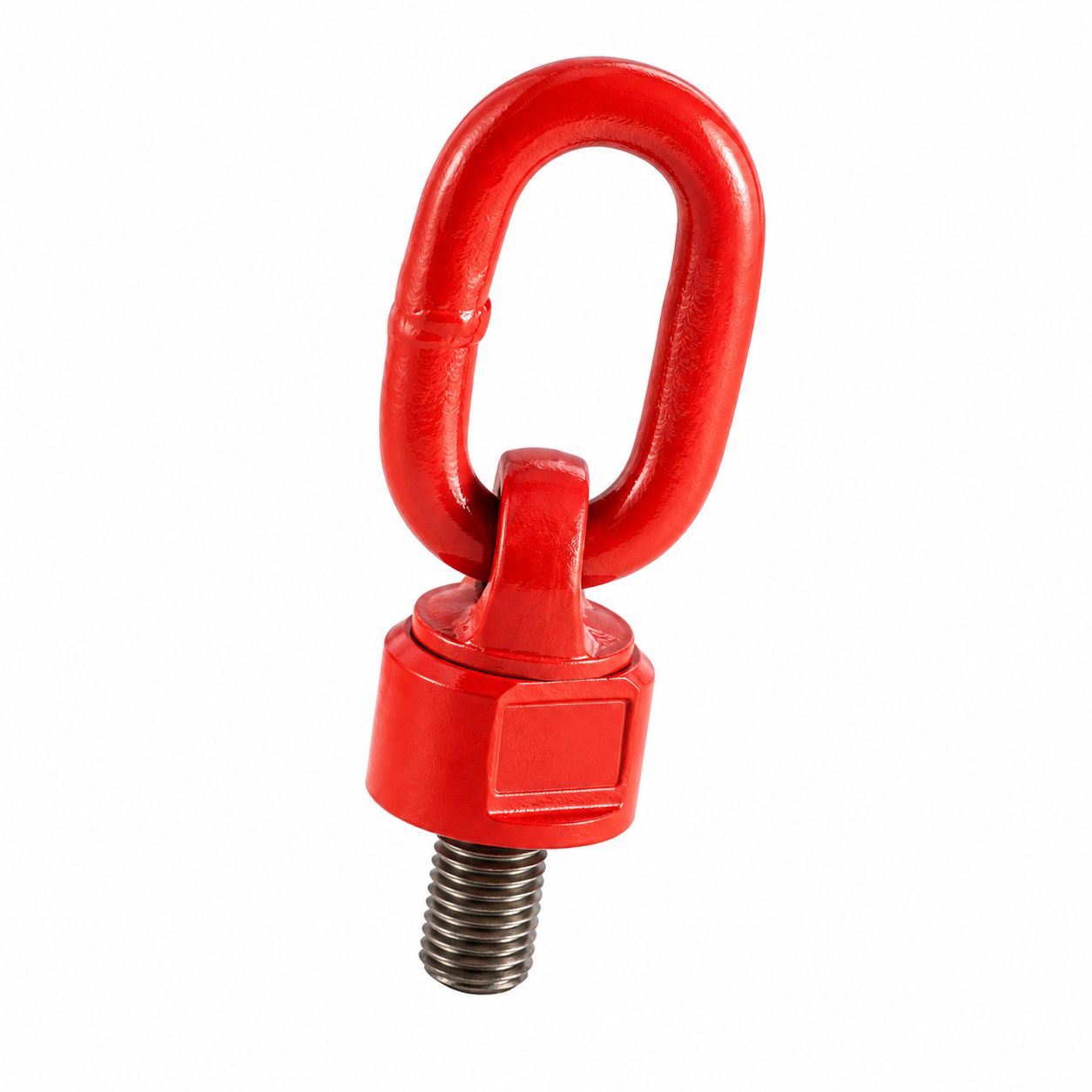
Consider whether the lift involves straight vertical pulls (suited for D-shackles and eye bolts) or multi-leg angular pulls (requiring bow shackles and swivel hoist rings to avoid catastrophic side-load failure).
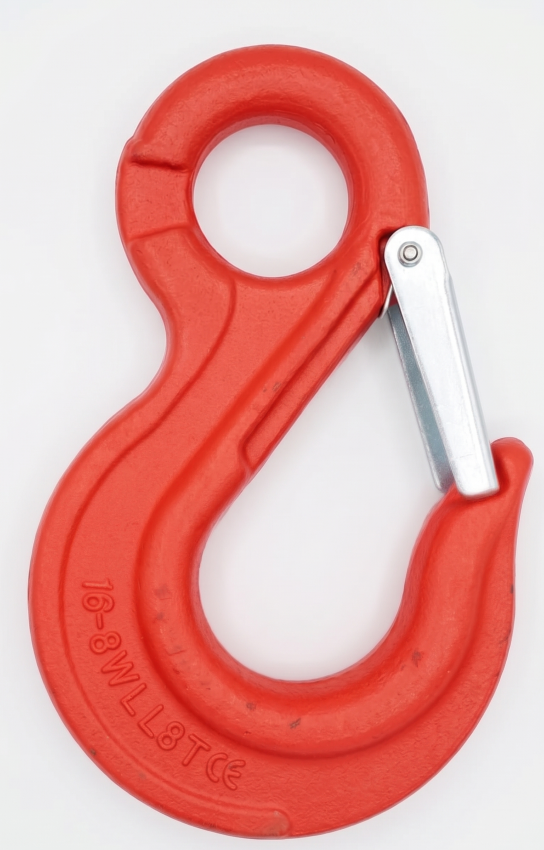
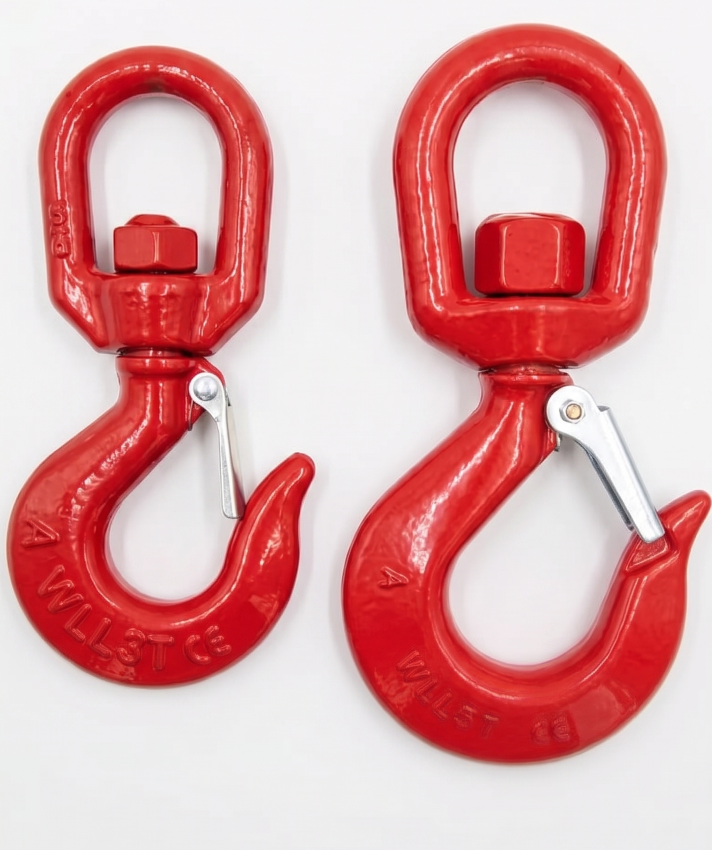
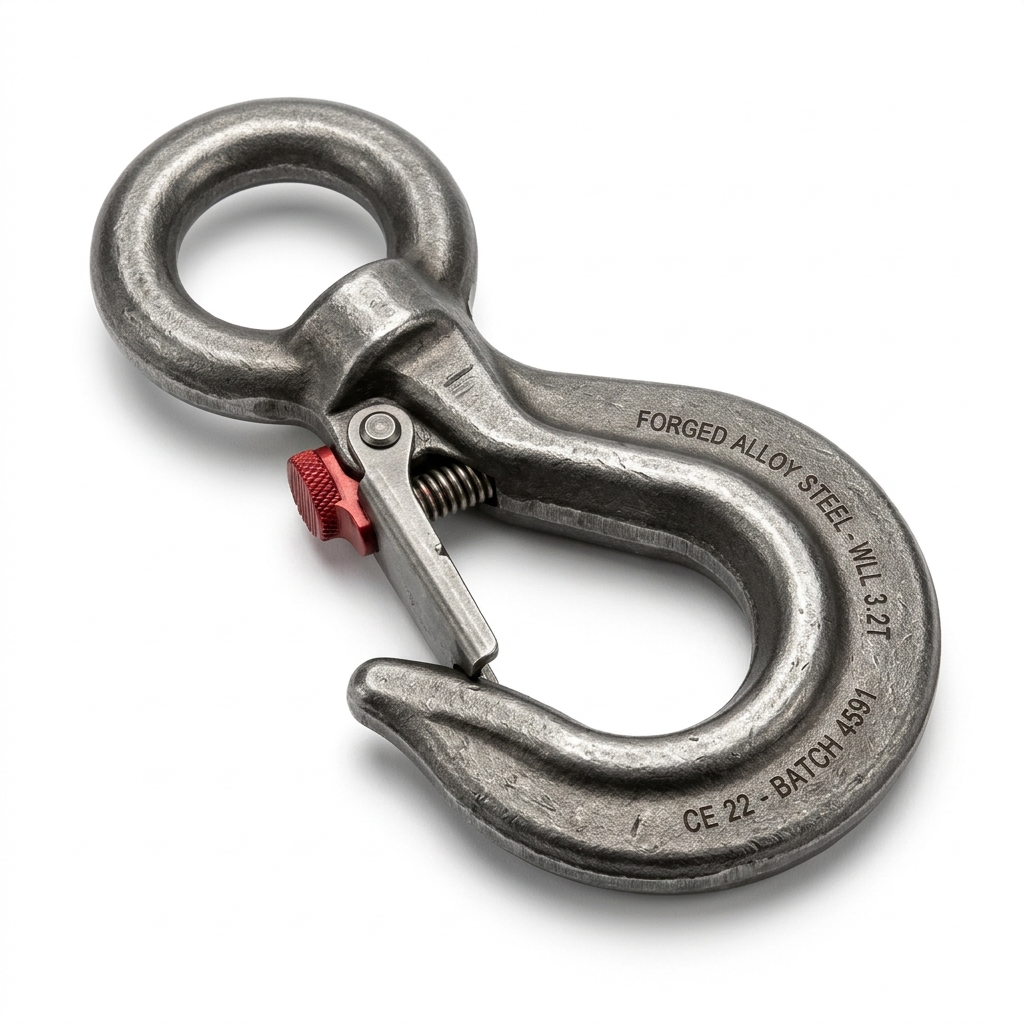
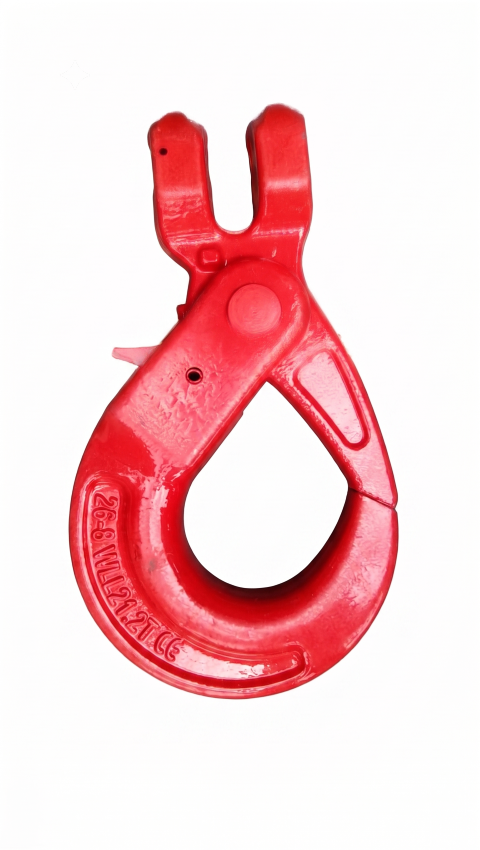
Evaluate whether the connection is temporary or permanent. Frequent hitching benefits from safety hooks and screw-pin shackles, while long-term installations favor bolt-type safety shackles and spelter sockets.
Environmental factors—such as extreme temperatures, offshore saltwater exposure, chemical vapors, or abrasive dust—dictate material selection, requiring specialized galvanized, alloy, or stainless steel hardware.
Ensure all components are manufactured under rigorous quality systems such as ISO 9001:2015, undergo periodic nondestructive testing, and feature clear embossed traceability markings.
Working load limits and lifting capacities depend strictly on product specification, material grade, diameter, sling angle geometry, proof testing, and specific working conditions. Never exceed the rated Working Load Limit (WLL) of any rigging component. Inspect all rigging hardware, pins, latches, and threads prior to every lift, and immediately withdraw from service any item showing deformation, cracks, excessive wear, or thermal damage.